Oct 12, 2026
Importing a Crane Truck into Uzbekistan: Who the Zero-Duty Rule Actually Covers
Uzbekistan has dropped duty and the utilisation fee on imported trucks. The decree's list covers tractor units and some semi-trailers. A crane lorry is not on it.
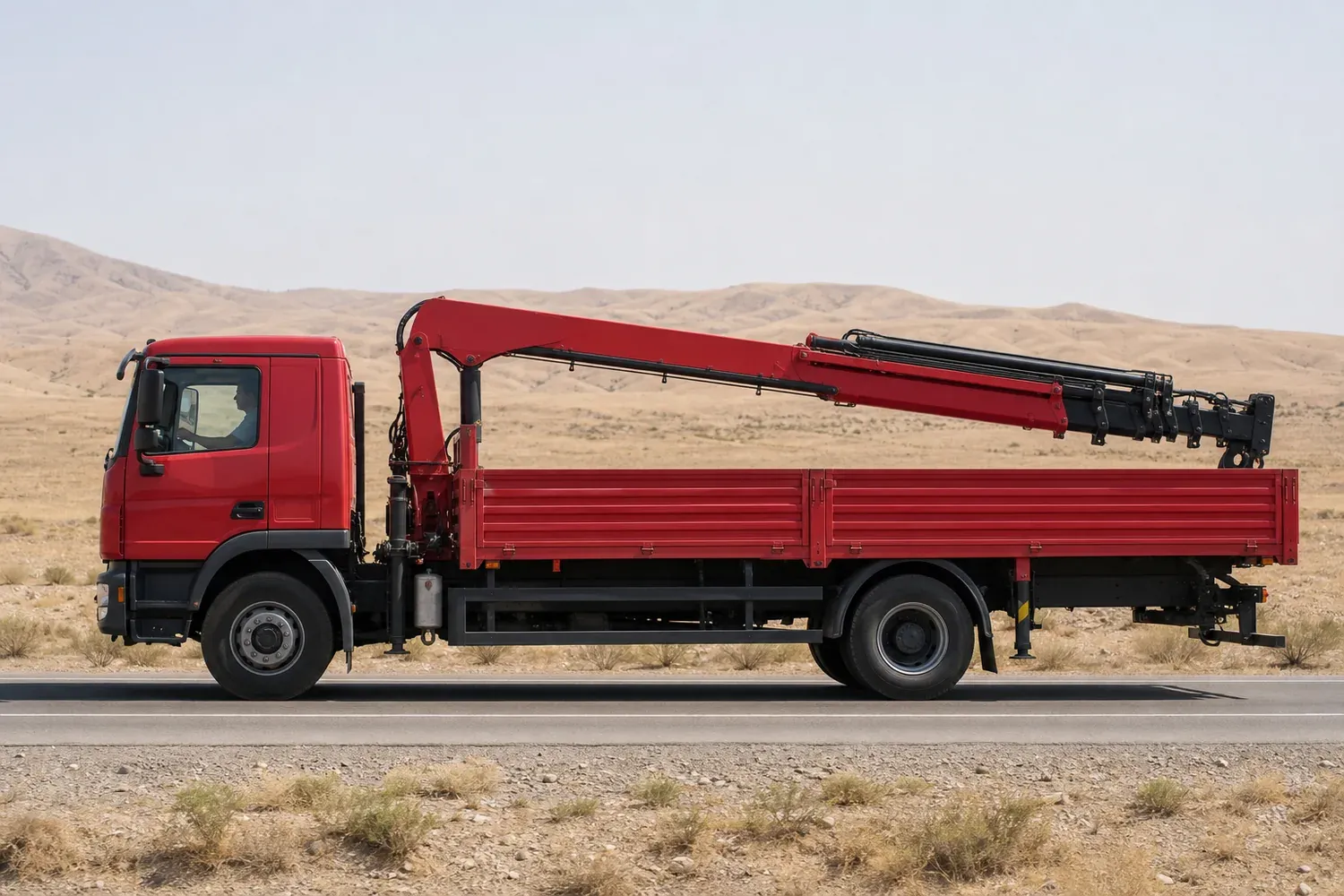
Since July 2026 there has been a stream of news about Uzbekistan dropping duty and the utilisation fee on imported trucks. The headline is real. The coverage is narrower than the headline.
The instrument is Presidential Decree PP-251 of 7 July 2026. We read the text. The benefit — zero import duty and zero utilisation fee, running to 31 December 2027 — applies to a closed list of goods:
- TN VED 8701 21, 8701 22, 8701 23 and 8701 24 — road tractor units for semi-trailers;
- semi-trailers under 8716 39 with a gross weight above 15 tonnes or a box volume of at least 76 m³.
Both categories must also be certified to Euro-5 or above and be no more than five years old from manufacture.
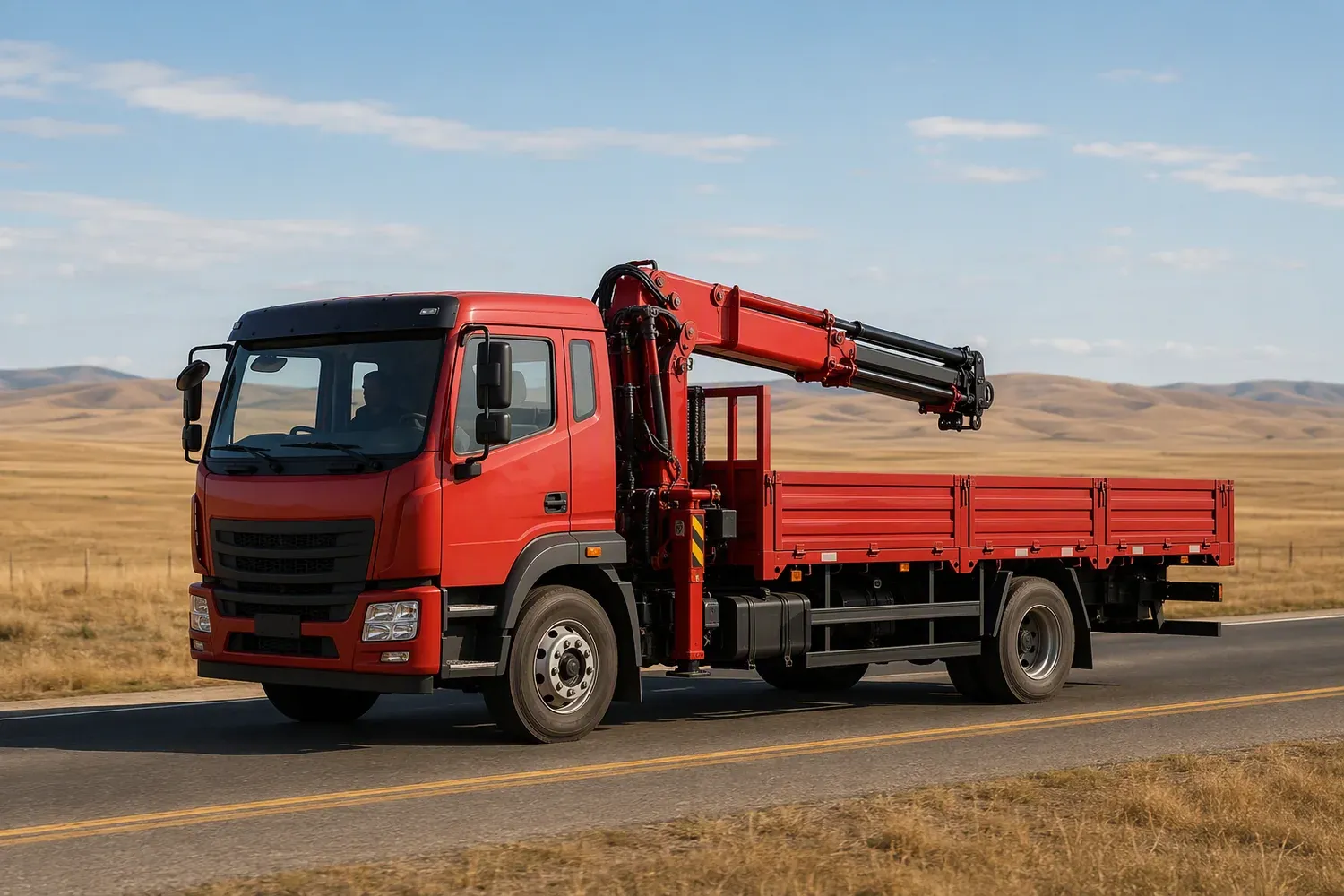
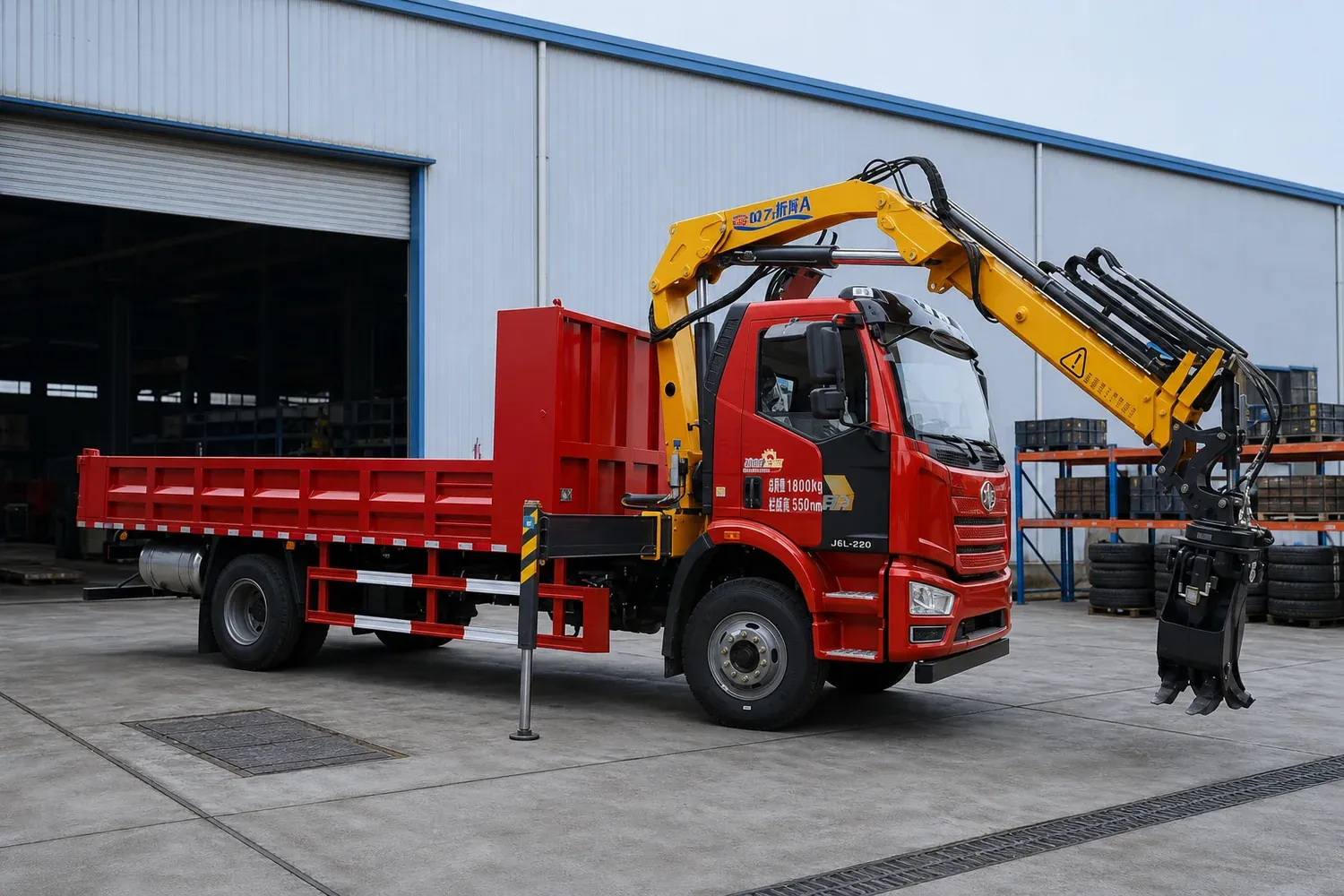
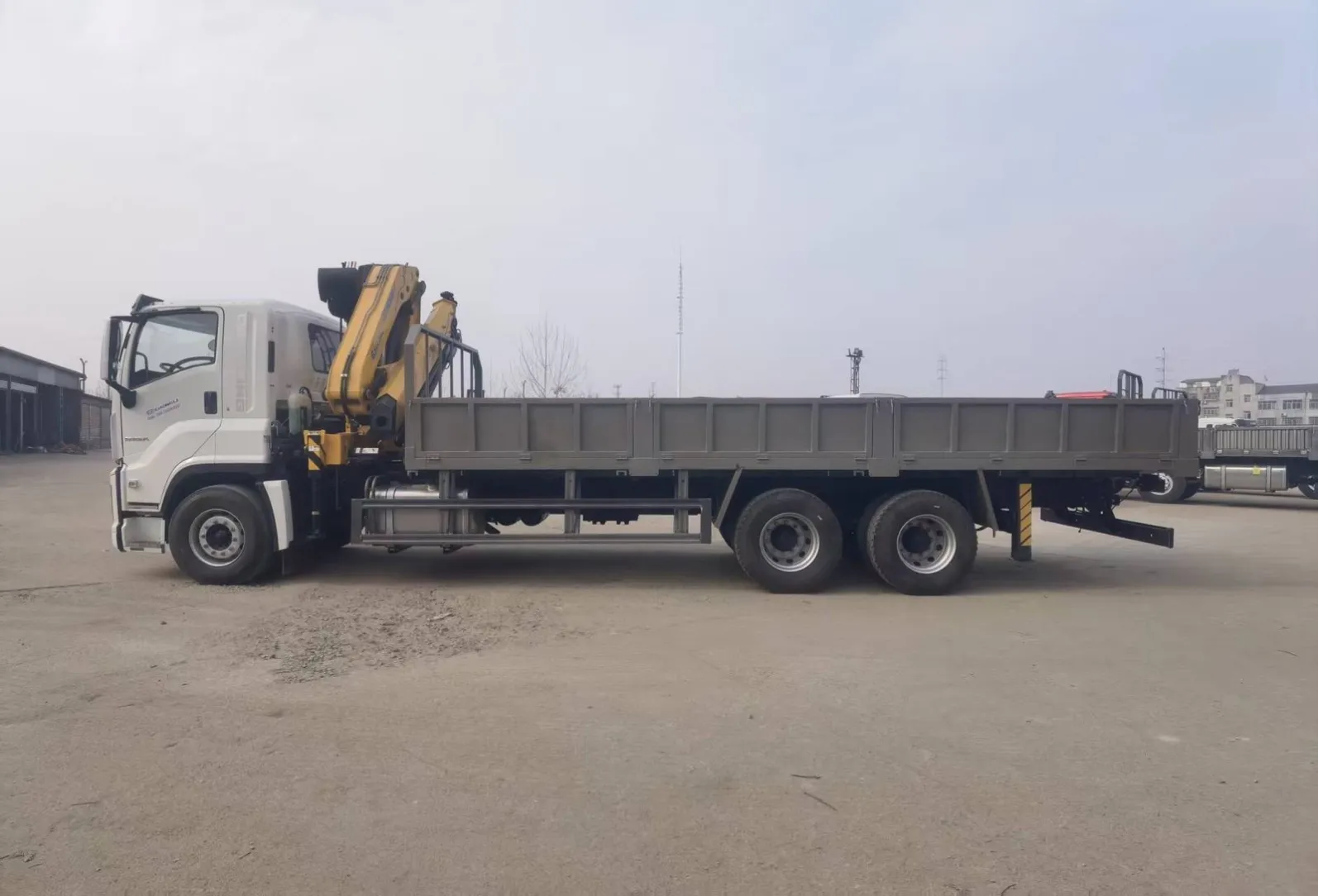
A crane lorry is classified under 8705 10. It is not on that list. So if a supplier tells you Uzbekistan has gone to zero duty on trucks and quotes you on that basis, the quote is built on a rule that does not reach your vehicle. This is not a technicality — it is the difference between a landed cost and a wrong one.
Uzbekistan is not in the Eurasian Economic Union
This matters more than any single rate. Uzbekistan is not an EAEU member state, so the union's technical regulations and its common tariff do not apply. Uzbekistan runs its own vehicle technical regulation (Presidential Decree No. 237 of 25 April 2017, general technical regulation on the safety of wheeled vehicles) and its own import tariff, most recently set out in Presidential Decree PP-3818 of 29 June 2018.
The practical consequence is that a certificate valid in Russia or Kazakhstan does nothing for you here. Everything is assessed on the Uzbek route.
We were unable to retrieve the rate schedule attached to PP-3818 — the document page exists on the official legal portal, but the annex would not load in this review. So we will not print a duty figure for 8705 10. Your broker reads the current schedule; we would rather leave the line blank than fill it with a number we could not verify.
The emission question
For trucks, the policy anchor is "Euro-5 and above", in Decree PP-5225 of 19 August 2021. The same threshold appears again in PP-251 as a condition attached to the preferential treatment — which tells you the direction of travel even where the benefit itself does not apply to your vehicle.
Fuel is regulated separately and by stage. Presidential Decree UP-5863 of 30 October 2019 set the fuel ecological stages: petrol and diesel below Euro-3 were prohibited from 1 January 2022, and below Euro-4 from 1 January 2023.
So the same instruction we give for every market applies here with more force than usual: establish the diesel sulphur level at the point of use before the engine is specified. Uzbekistan's vehicle rule targets Euro-5 and above; the fuel rule is a stage behind. That gap is exactly where after-treatment systems fail, and it is a specification decision, not an after-sales one.
Registration
Vehicle registration is handled by the road traffic safety service of the Ministry of Internal Affairs, with the procedure published on the government services portal (gov.uz). The technical regulation route for the vehicle is the national one under Decree No. 237.
A 12% value added tax applies on import; that figure comes from tax code summaries rather than our own reading of the code, and it is labelled accordingly. The utilisation fee exists, but we could not obtain its base amount or the coefficients that apply to a crane lorry, so we are not publishing a rate.
What we could not verify, and will not pretend to
- The duty rate for 8705 10 under PP-3818, and the treatment of Chinese origin generally.
- The base amount and coefficients of the utilisation fee, and whether any exemption exists for special-purpose vehicles.
- Whether import licensing, quotas or sole-agency rules apply.
- The general age or model-year limit and the statutory definition of a "new" vehicle outside the preferential scheme.
- The document list for registration.
- The left-hand-drive requirement in the official text — Uzbekistan drives on the right, and left-hand drive is the practical requirement, but we did not obtain the wording that says so.
We list these because a buyer who knows which four questions are still open is in a better position than one holding a confident answer that turns out to be about a different vehicle class.
What to send us
- The TN VED code your broker files under, and the duty rate for it.
- The ecological class your registration route names.
- The diesel sulphur level at the point of use.
- The job: tonnage, boom type, body type.
Our quoted models and figures are those listed on this site, reviewed 1 October 2026. The truck-mounted crane listings carry the range; the emission-label question in general is covered in a separate article, and the neighbouring market is covered in the Kazakhstan guide.
Left-hand drive is our standard build; right-hand drive is available on request for other destinations.
Send us the four lines on WhatsApp and we will come back with the chassis, the CIF price and the document list your importer needs.