Oct 2, 2026
Euro 6, China VI and Euro V: Which Chassis Reaches Your Market
Euro 6 and China VI are two certification systems, not one label, and neither is a promise about your registration office. The three questions to settle first.
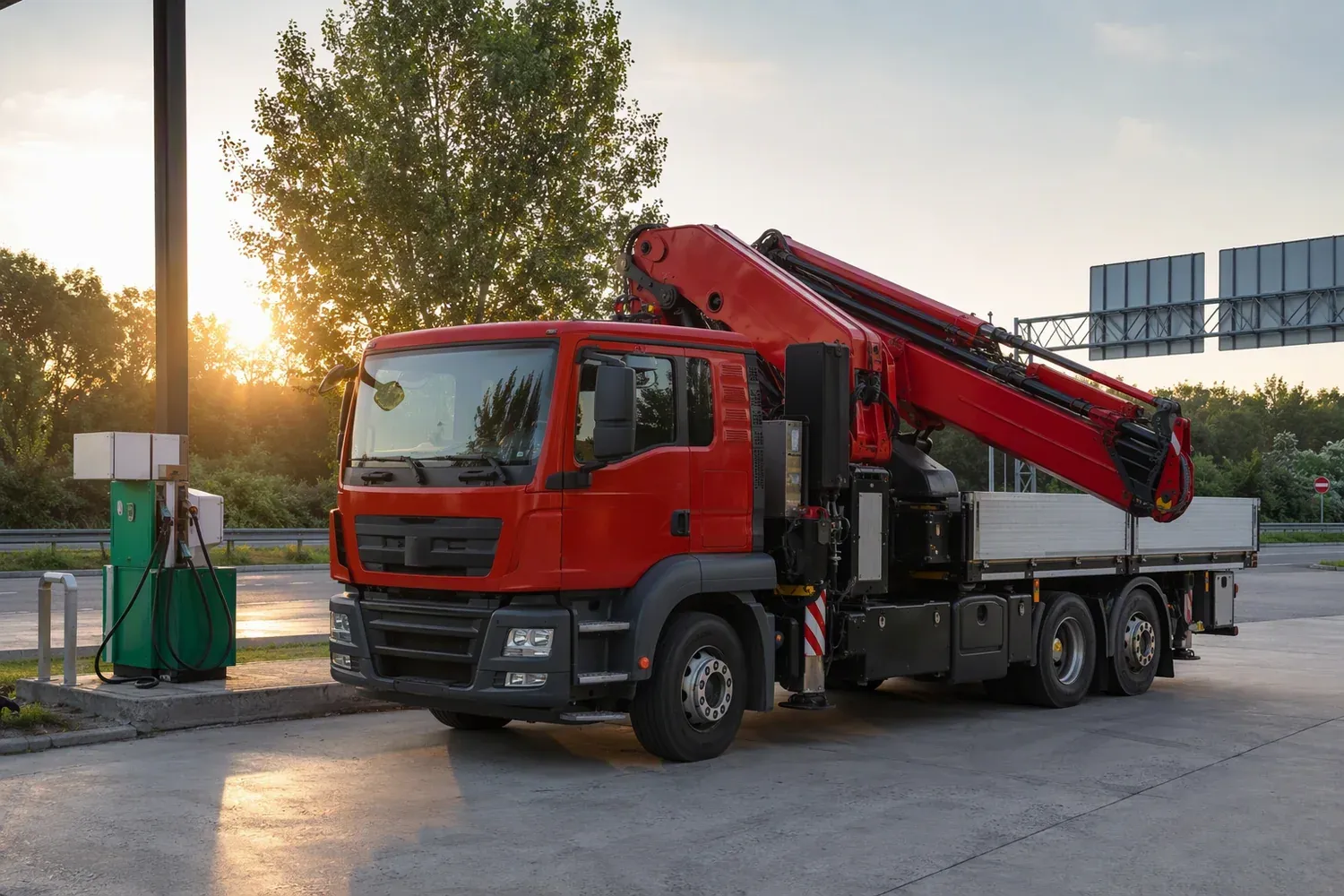
"Euro 6" and "China VI" are not the same label, and neither of them is a promise about what your registration office will accept.
They are two national certification systems with different test reports, issued by different authorities. A truck that is fully legal to sell in China is not automatically legal to register in Lima, Manila or Nairobi — and the gap is not paperwork that someone else can fix after the ship sails.
What the two labels actually are
Euro 6 is the European emission stage for heavy vehicles, with its own test cycles and its own approval process. China VI is China's national stage for the same class of engines, built on a structure that parallels Euro VI but certified separately, under its own standard and with its own test report.
That distinction matters at exactly one moment: when the importing country's authority decides whether your document is acceptable evidence. That decision is theirs, not ours, and not the engine supplier's. Some markets accept a China VI report as equivalent. Some require their own approval or a specific foreign approval. Nobody can tell you which without reading your authority's current rule.
So the honest specification instruction is: name the stage your authority requires, and ask what evidence it accepts — before the chassis is ordered.
Fuel is the binding constraint, not the engine
Euro VI-class engines are designed as a matched pair with low-sulphur diesel — typically 10 ppm or better. Selective catalytic reduction with closed-loop urea dosing and a particulate filter are the parts that make the stage possible, and those parts are sensitive to sulphur and to the fuel's quality claim.
A Euro VI truck is therefore the wrong answer in a market where the fuel is still 500 ppm or where the delivered sulphur level is not what the pump says. Not because the engine is poor — because the after-treatment and the fuel specification are one system.
This is why our own specification sheets ask about fuel before they ask about the engine, and why the mechanical or electronic injection article on this site treats a mechanically controlled engine as a legitimate answer for some markets rather than an outdated one.
The three questions to settle before the chassis is chosen
- What does your registration authority accept? The stage, the test report, and who is allowed to issue it.
- What is the sulphur level where the truck will actually run? Nationwide average is not enough if the truck works a region with a different supply.
- Who will service the after-treatment? Urea supply, filter service and diagnostic tools are part of the specification, not after-sales trivia.
How we state emission on this site
We state the emission class where it is declared for the model, and we confirm it per order elsewhere — because the same chassis can be built with different emission packages depending on where it is going.
Two verified examples from our own listings:
Model | Emission as listed | Notes |
|---|---|---|
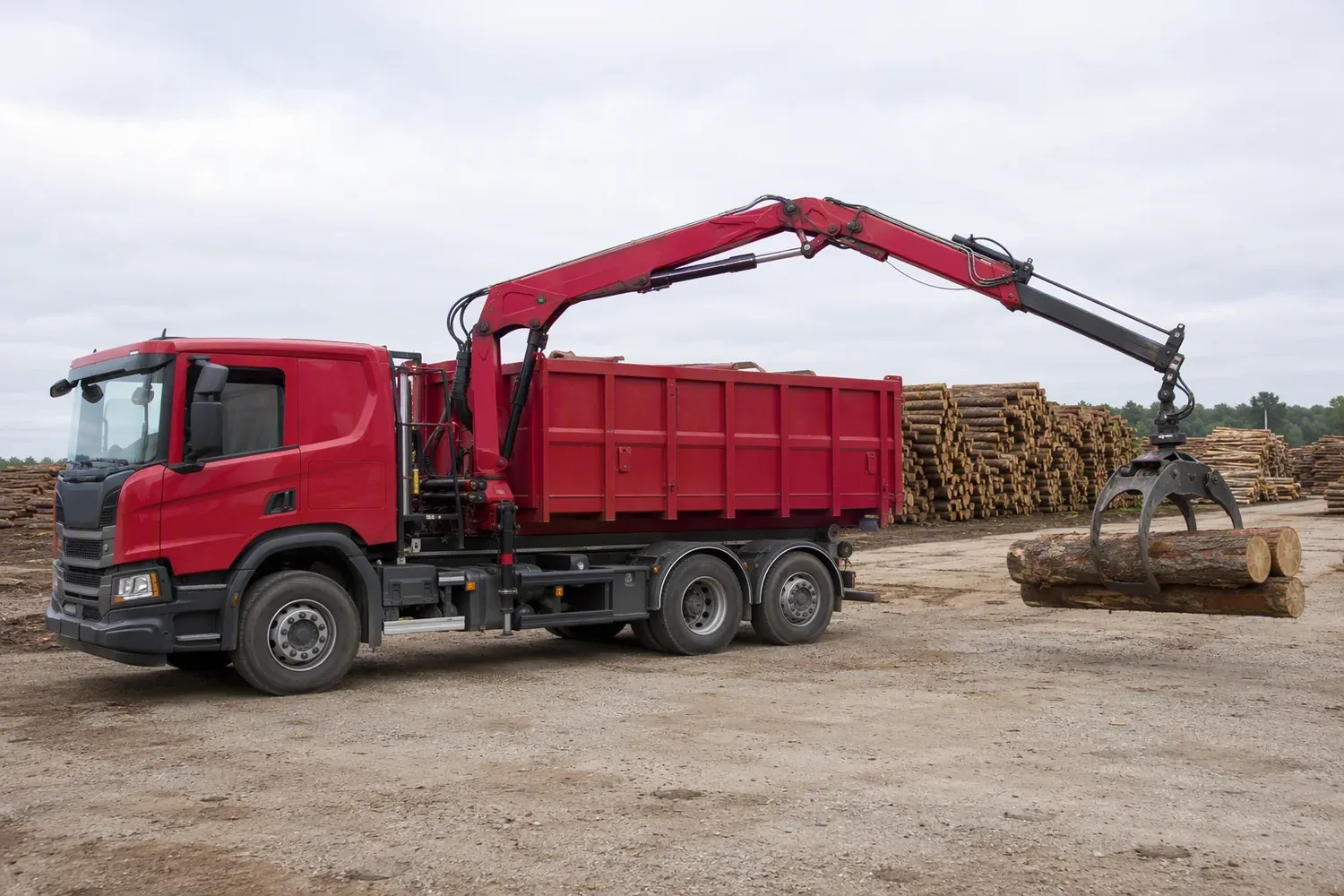
Grab refuse truck on SINOTRUK Wangpai with lifting axle (TMG-WP2506) | Euro VI | 220 hp Yuchai, 10-speed Fast gearbox, 24,495 kg GVW, 5–6.3 t knuckle-boom crane |
Crane truck on Dayun 6x2 with lifting axle | China VI | YCK05240-60 or YCS06245-60A, 240 / 245 hp, 5,132 / 6,234 cc, 24,500 kg GVW, 10–12 t crane class |
Where a model is not marked above, the crane and grab listings carry "emission standard: confirmed per order" in the buyer questions — and that is a deliberate answer, not a gap. It means we will not quote an emission label for a truck we have not built yet.
What we will not tell you
- We will not say a China VI truck will be accepted as Euro VI in your country. Equivalence is a decision made by your authority.
- We will not state an emission class for a model that does not declare one. If the answer is not on the specification sheet, the answer is "confirm with your authority and we will build to it".
- We will not say a country "only accepts stage X". We have seen enforcement change inside a single year in more than one of our markets.
- We will not claim we can obtain your certification. We supply the technical documents a certification body or importer needs; the approval is theirs to grant.
What to send us
Four lines are enough to get a real answer rather than a brochure:
- Destination country and port.
- The emission stage your authority names, in its own wording.
- The diesel sulphur level the truck will see.
- Whether the truck will run on one fuel source only.
If the honest answer turns out to be a mechanically controlled engine, or a chassis from a different brand than you first asked for, we will say so — that is cheaper than a truck that cannot be registered.
Left-hand drive is our standard build and right-hand drive is available on request. Models and emission labels on this page are those currently listed on this site, reviewed 1 October 2026.
Send us the four lines on WhatsApp and we will come back with the chassis that fits your authority's requirement.