Importing a Truck Mounted Crane into Nigeria: SONCAP, Form M and What Clears
SONCAP before shipping, Form M before the certificate can be used. The order of steps that decides whether a crane truck clears a Nigerian port.
Nigeria is a large market with a well documented procedure, and most of the delays we hear about come from doing the steps in the wrong order. The conformity certificate has to exist before the ship leaves, and the Form M has to exist before the certificate can be used.
Neither of those is about the truck. They are about paperwork, and paperwork can be planned. This is the order we work through with a buyer who is importing for the first time.
SONCAP happens before shipping, not at Lagos
Soncap is the Standards Organisation of Nigeria's conformity assessment programme. Under it, imports are verified and tested in the country of supply, and a SONCAP Certificate is issued before shipment rather than on arrival.
The certificate is not decorative. SON's own guidance states that the Product Certificate and the SONCAP Certificate are mandatory for processing Form M and for Nigerian Customs clearance of regulated goods.
That means the file has to be opened early. Even a single unit needs a compliant product file, and a supplier who has never exported to Nigeria will underestimate how long that takes. Start it when the order is confirmed, not when the truck is ready to load. Ask which inspection body will handle the verification and what they need to see. A crane body on a truck chassis is not a standard catalogue item, so the technical file has to describe the unit that is actually being shipped rather than the family it belongs to.
Form M and the bank: the order matters
Form M is opened through a Nigerian bank before the goods are shipped, and the SONCAP Certificate is one of the documents the process expects. Doing the certificate first and the Form M second is the sequence that works; the reverse leaves a certificate that cannot be used yet.
Ask your bank which documents they want in which format before anything is booked. Banking requirements vary between institutions, and a document that one bank accepts may be rejected by another on formatting rather than on substance.
Keep the commercial invoice consistent with the Form M description. A mismatch is the classic reason a compliant shipment sits in a port while three offices argue about wording that nobody will ever read again.
Left-hand drive and the spec that survives the port
Nigeria drives on the right, so the standard left-hand drive specification applies and the cab does not need to change. That simplifies the order compared with East African markets, where right-hand drive has to be fixed before the chassis is built.
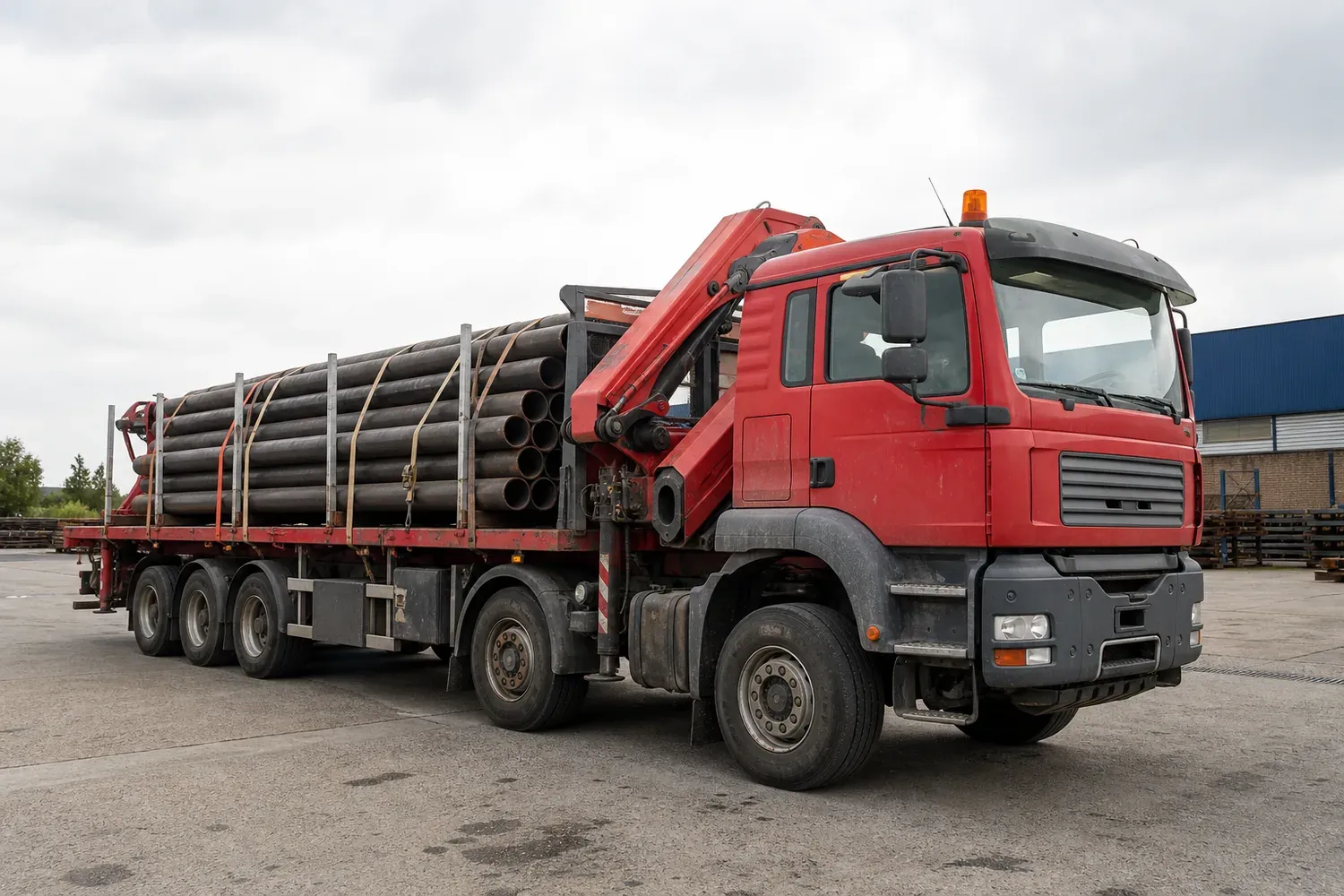
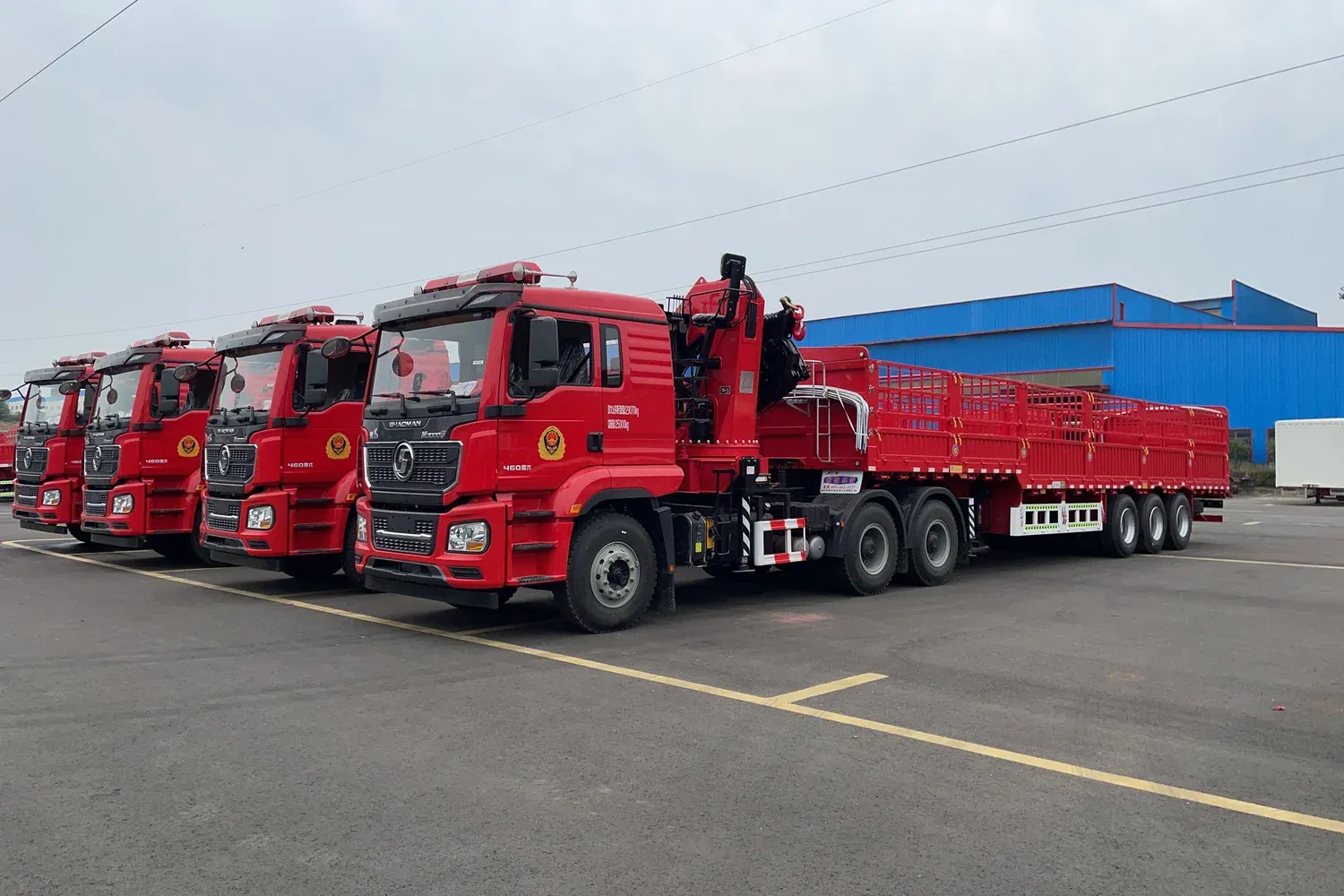
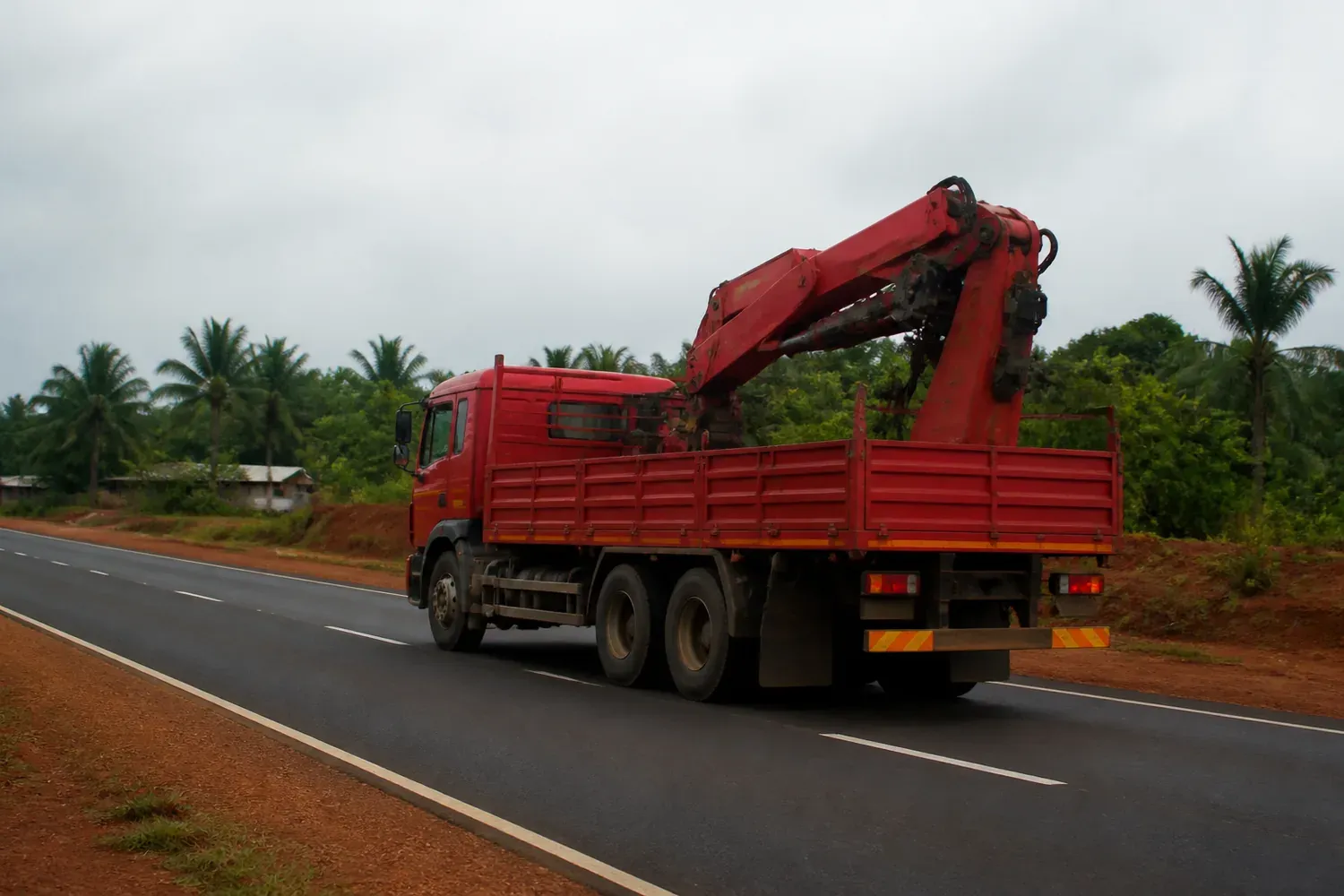
What does need attention is the physical handling. A crane truck is tall and wide, so it usually travels as break-bulk or RoRo rather than in a container. The lifting points, the packing and the insurance have to be agreed before the unit is finished.
Ask for the shipping plan in writing, including whether the crane travels assembled or partly folded. A truck that arrives folded needs a crane to unfold it, and that crane has to be arranged at the destination by somebody. Decide who pays for that before the vessel sails, not after.
Duty, valuation and the number people argue about
Duty and levies are assessed on the customs value, which is built from the transaction value plus freight and insurance. Quoting a price without knowing the freight basis is how buyers end up with a surprise that has nothing to do with the truck. Ask for the trade term in writing and budget from there, not from the vehicle price alone.
Confirm the tariff classification for a crane truck with a licensed clearing agent before the order. Special-purpose vehicles can sit in a different line from a standard goods vehicle, and the classification decides both the rate and the documents. A wrong classification costs more than a wrong price, because it surfaces after the ship has sailed.
Do not accept a suggestion to declare a lower value. It creates a problem that surfaces later, usually when the same importer tries to bring in a second unit and the history follows the company rather than the truck. The savings are temporary and the file is permanent.
What to do next
Tell us the application, the payload and the port of discharge. We will quote with the chassis model, the crane model and the trade term written into the offer, so the document set and the machine agree from the beginning rather than at the quay.
Ask for the product documentation that SONCAP will need while the price is still being negotiated. It is the one part of the process that cannot be rushed at the end, and it is the part most often left to the last week.
If this is your first import, ask your clearing agent one question before you order: what would stop this shipment at the port? The answer tells you more about the real cost of the project than any quotation will, and it usually costs nothing to ask.