Wheelbase and Deck Space: Planning a Crane Truck Around the Load
How to plan deck length, wheelbase, crane position and outrigger spread together, so the truck stays legal on the road and usable on site.
Most crane truck orders start with the crane and work backwards. The trucks that earn the most money usually start with the deck and work forwards. The deck is where the revenue is carried every day, and no crane has paid for itself while the truck sat empty.
That sounds like a small difference in sequencing. In practice it decides how much cargo the truck moves for the next eight years. It also decides how often the driver turns down a narrow yard, and whether the axle loads still pass an inspection in year five.
This page is about that single decision: truck mounted crane wheelbase, deck length and crane position chosen together, before the steel is cut.
Start from the deck, not from the crane
Write down the longest item you carry and the heaviest one. Those two numbers, not the crane model, set the deck length and the floor rating you actually need, and they are the first thing a body builder asks for.
Then add the space the crane takes when it is folded. A straight boom lies along the deck or above it, while a knuckle boom stows into a smaller envelope. Either way the stowed crane removes platform you cannot load, and that loss is permanent rather than a matter of trim.
Only after that does the crane position make sense. Buyers who choose the crane first usually discover the problem at the body builder. By then the deck has been shortened twice, the usual load no longer fits, and the only remaining fix is a longer chassis than the one in the order.
What a longer wheelbase buys, and what it costs
A longer wheelbase spreads the load over more frame, which helps axle distribution and gives a calmer ride with a heavy boom sitting behind the cab. It also allows a longer deck without pushing the rear overhang past the point where the tail argues with every kerb.
The cost is manoeuvrability. Long trucks are awkward in tight yards, on site roads and at loading bays built for smaller vehicles, and turning circle becomes a daily complaint instead of a line on a specification sheet that nobody reads until delivery day.
Rear overhang is the other trap. Stretching the deck by extending the tail swings the back of the truck further out on every corner, and several markets limit overhang outright. A metre gained at the rear is never free, and it is usually the metre that catches a gatepost or a fuel pump in the first month.
Where the crane sits: behind the cab or at the rear
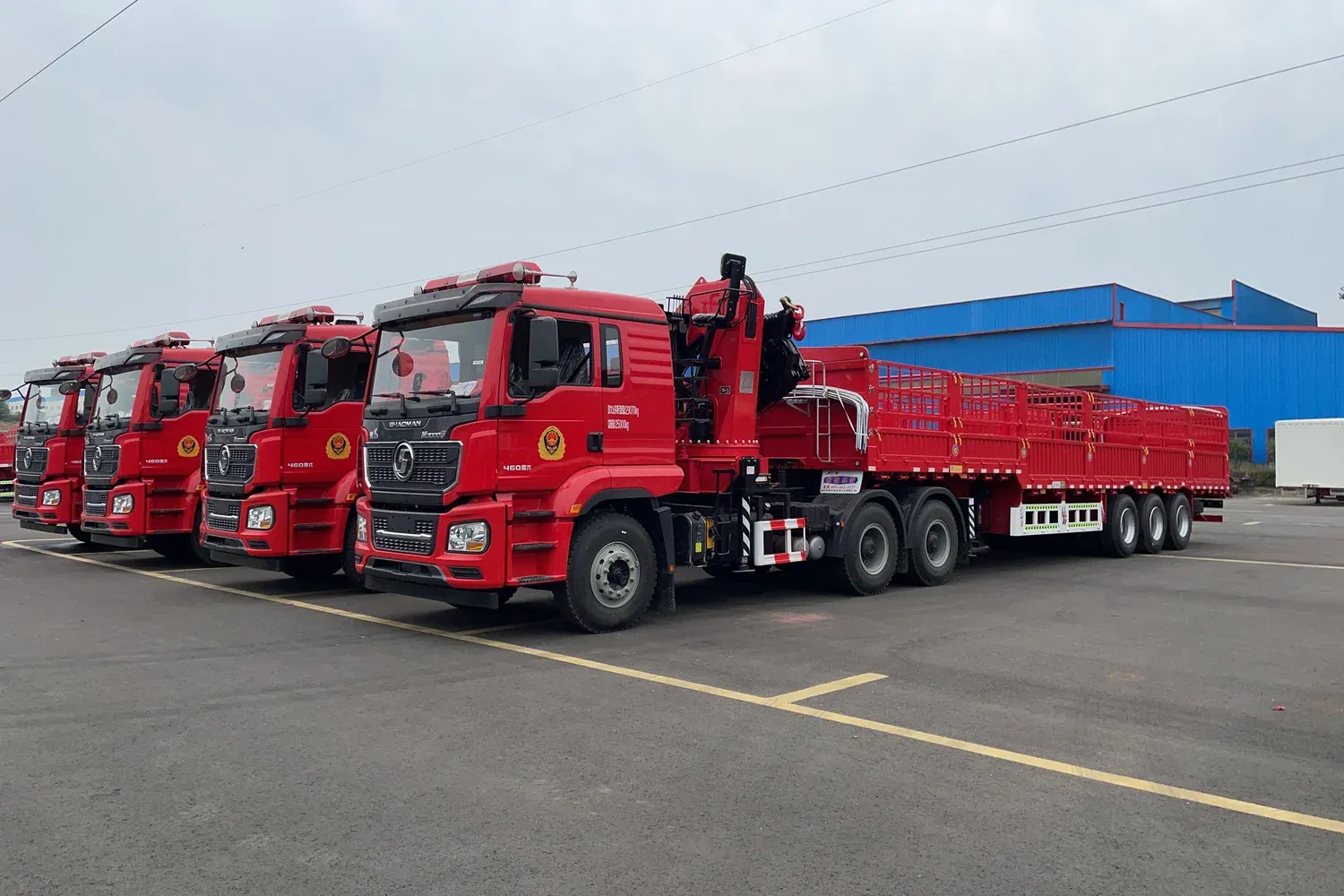
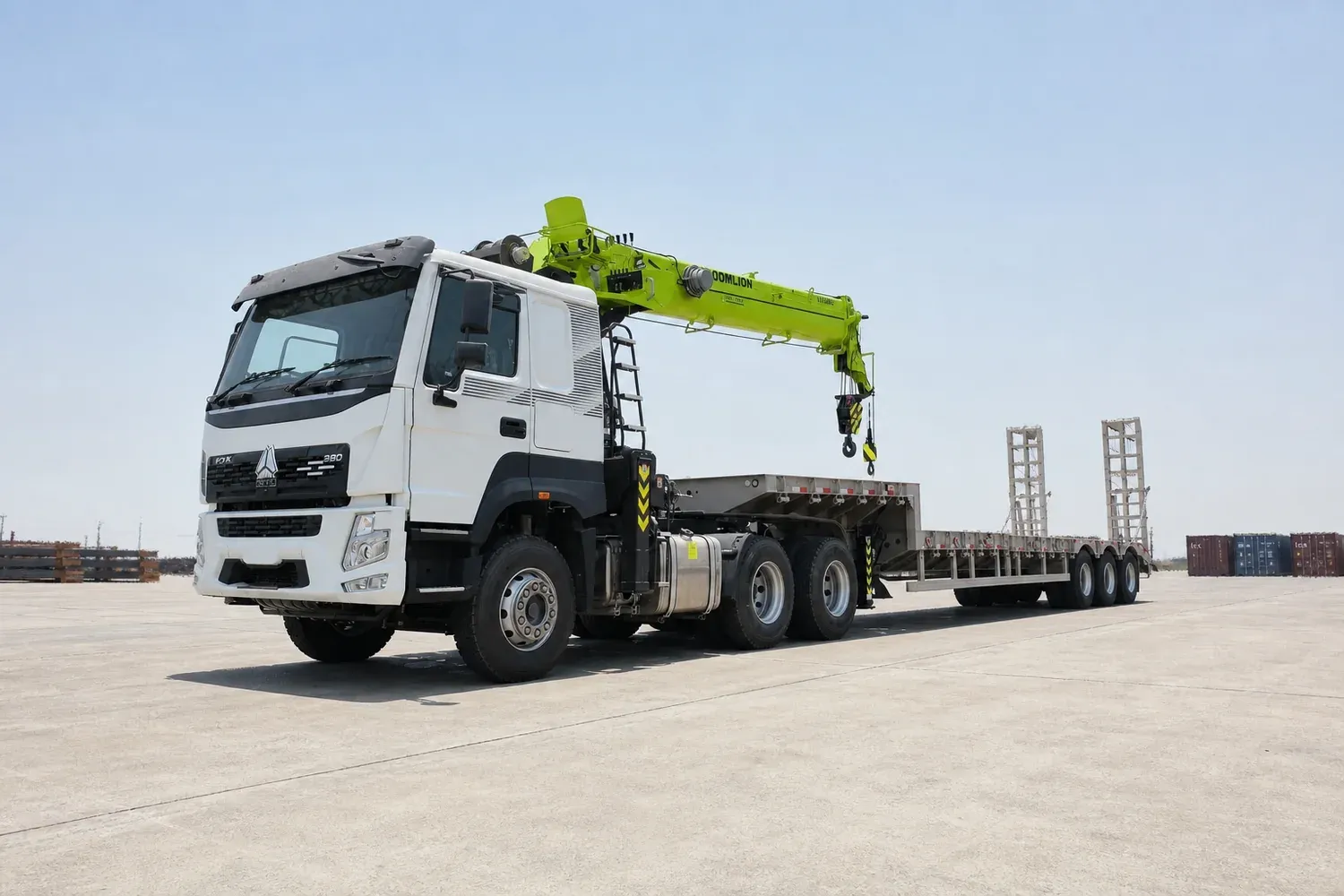
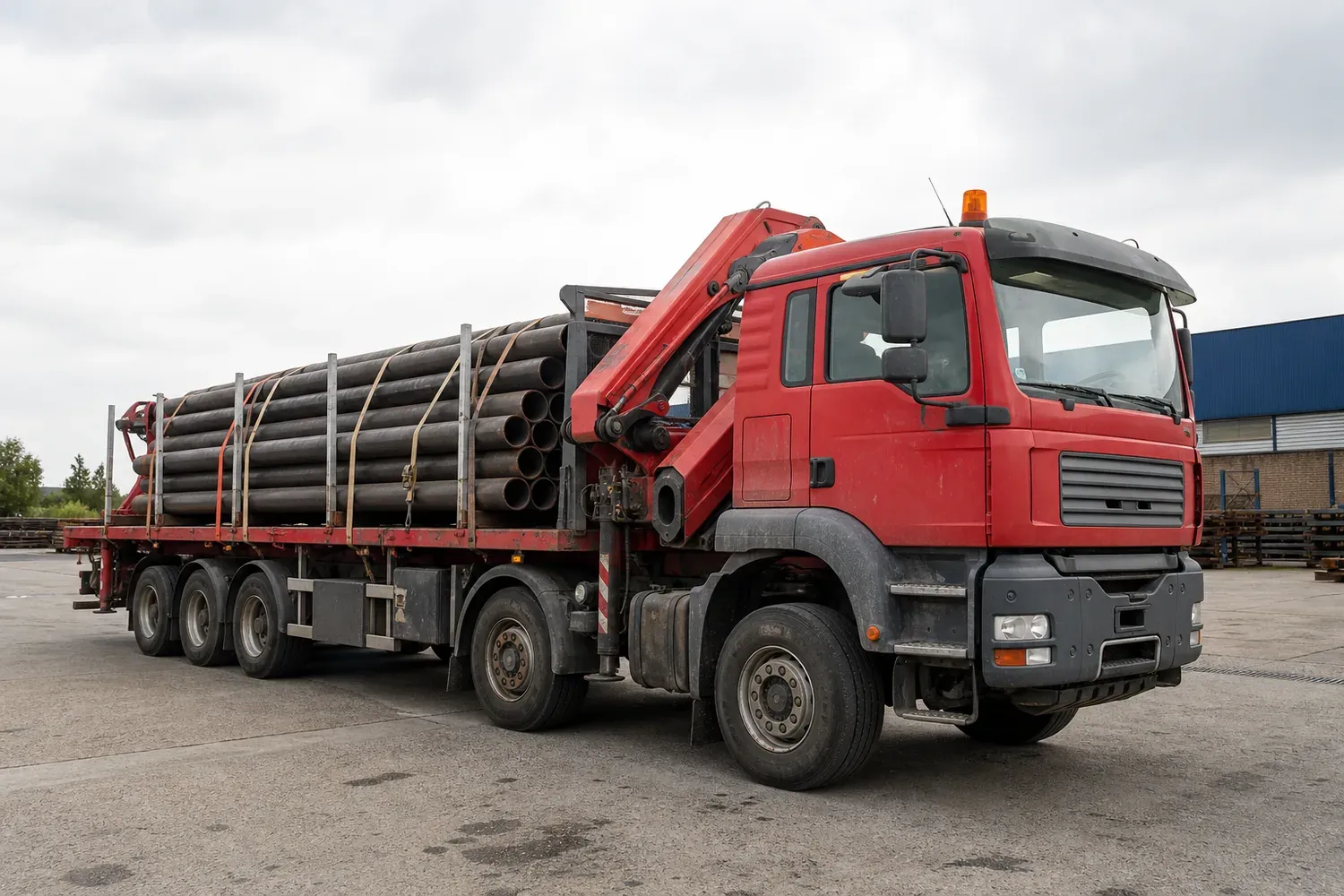
Behind the cab is the common layout. It keeps the boom near the middle of the wheelbase, shortens the hydraulic runs and leaves the tail free for loading. It also removes deck length, usually the expensive kind, from the middle of the platform where long items want to sit.
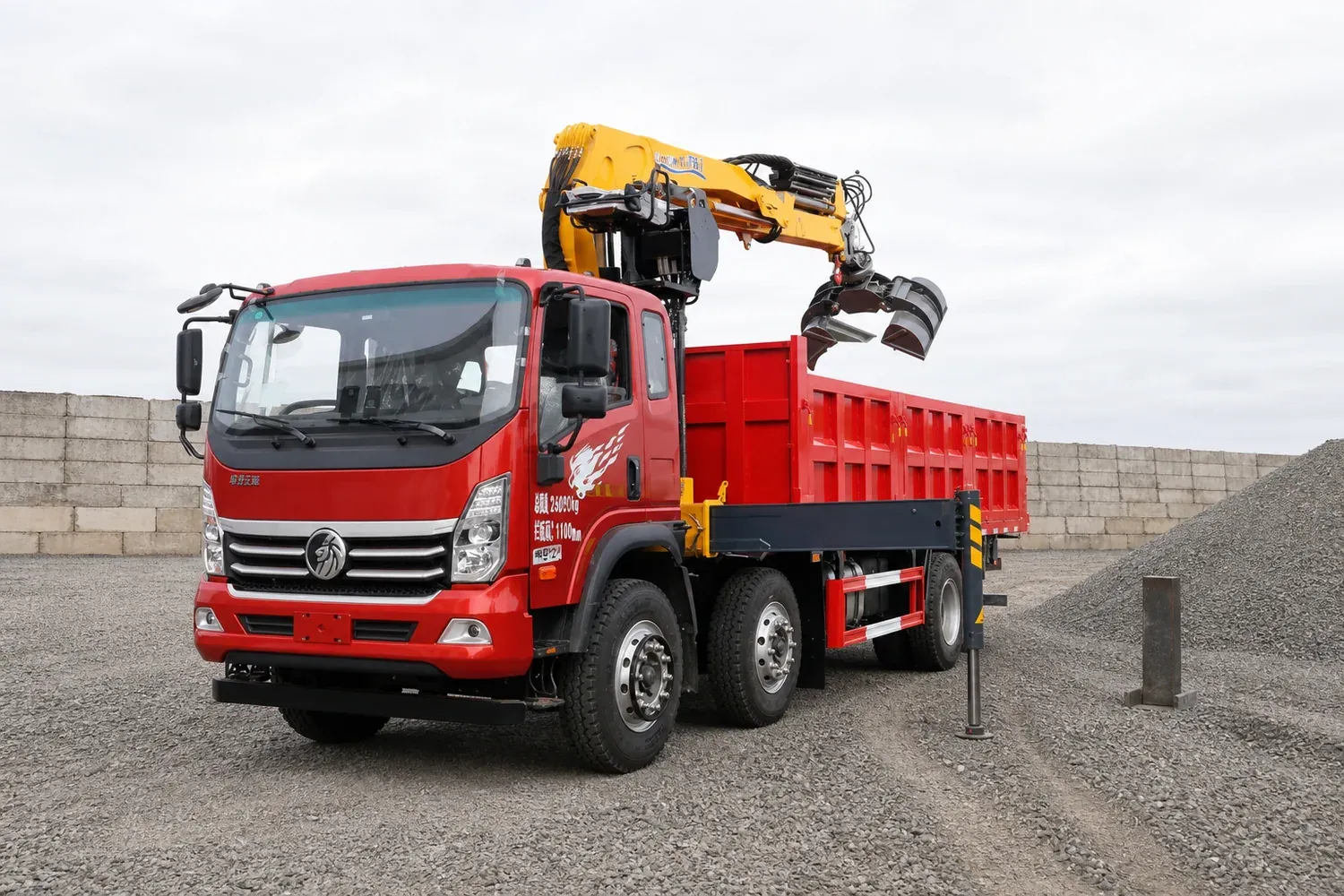
A rear-mounted crane keeps the deck continuous and is easier to load from the side, which matters if you handle pallets or anything a forklift cannot reach across. The trade-off is weight at the back, a longer overhang and a boom that must reach further to cover the front of the deck.
Neither layout is wrong. The question is which one keeps your usual load inside the platform and your axle loads inside the law, and that answer changes with the cargo mix rather than the catalogue. Two fleets running identical cranes can need different layouts because one hauls pipe and the other hauls machinery.
The four numbers to check before ordering
Gross vehicle weight, kerb mass with the crane fitted, deck length you genuinely need, and outrigger spread with the legs fully extended. Those four decide whether the truck is legal, useful and stable, and they are cheap to check before the order and expensive to correct after it.
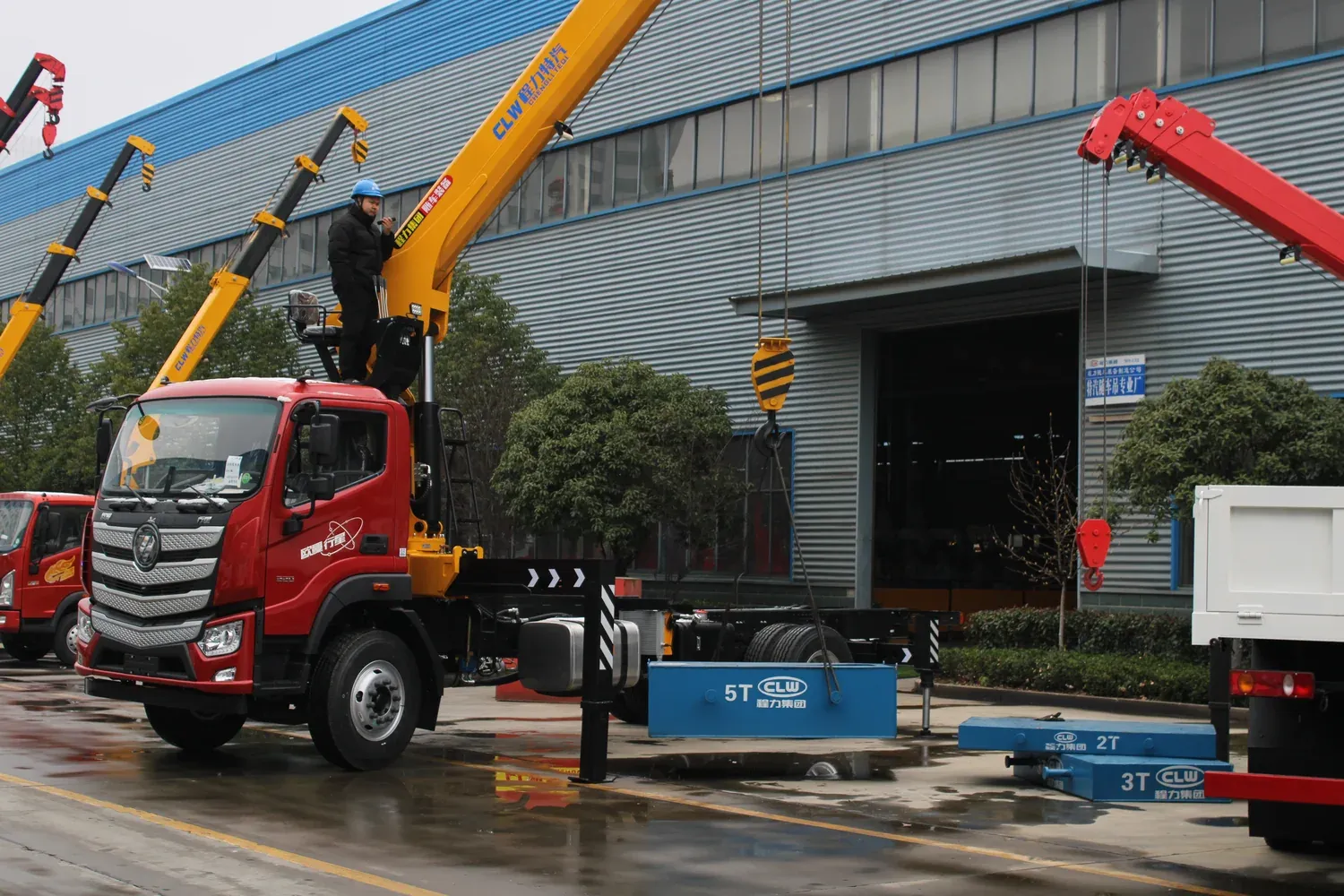
Outriggers are the one buyers forget. They spread wider than the frame, so the truck needs reachable ground to put them on, and the width has to fit the sites you work in every week. A crane that cannot set its legs is a crane that cannot lift, whatever the chart says.
The convention we work to for crane trucks is 18 t GVW on 4x2, 25 t on 6x4 and 31 t on 8x4. Those figures start a conversation; your local axle rules and a weighbridge ticket end it, and they outrank anything printed in a brochure.
What to do next
Send us the longest and heaviest item you carry, the crane type you are considering, and a photograph of the yard where the truck will work. We will propose a wheelbase, a crane position and a deck length that fit together, instead of three decisions taken separately by three people who never speak.
If you are converting an existing chassis, send the frame drawing. Mounting a crane on a frame that was never reinforced for it is the one shortcut that cannot be fixed later, and it is much cheaper to find out before the steel is cut.
Ask for the layout as a drawing, not as a sentence in an email. A drawing makes the deck length, the crane envelope and the outrigger spread visible at once, and it is the only version of the plan a body builder can quote against without guessing.