Oct 8, 2026
Importing a Crane Truck into the Philippines: Left-Hand Drive, Form E and the Fuel Question
The Philippines registers left-hand drive, so there is no conversion cost. The two questions that decide the order are the certificate of origin and the fuel.
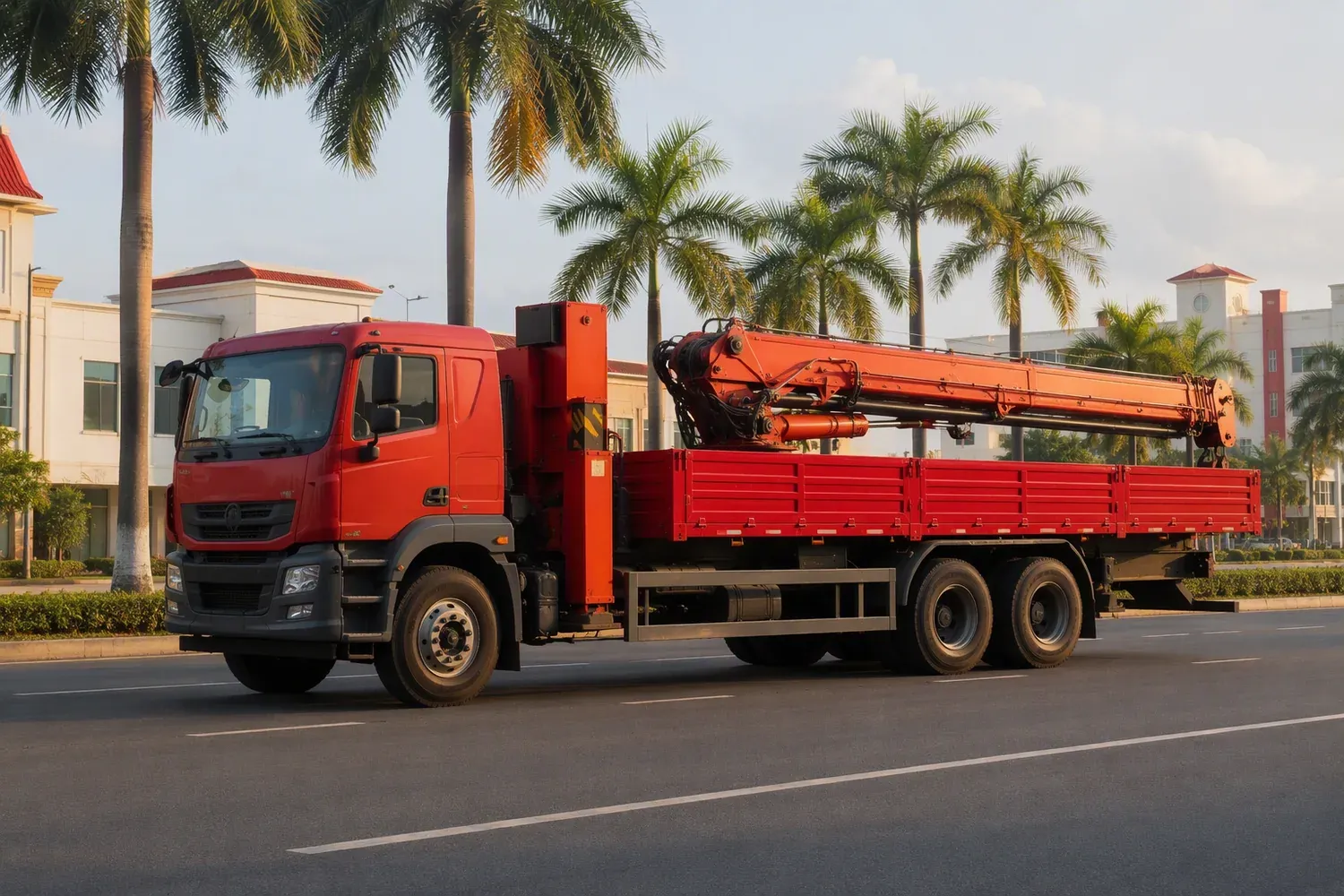
Most markets in this region make you spend money before the truck does anything useful: steering conversion, mirror-image cab, re-certified brakes. The Philippines does not.
That single fact is worth more than the freight difference — and it is the reason the two questions that actually decide a Philippine order are elsewhere: your certificate of origin, and the fuel.
The advantage you can bank: no conversion
The Philippines drives on the right and registers left-hand-drive vehicles. Our standard build is left-hand drive, so a crane truck for Manila is not a converted truck — it is the same configuration we build for the domestic market, with the same cab, steering and controls.
No mirror-image cab, no steering relocation, no argument with a converter about who is responsible for the brake system afterwards. Right-hand drive is available from us on request for other markets, and it is built to order — but for the Philippines you do not need it.
The two certificates that move the landed cost
The Philippines sits inside two overlapping preferential frameworks with China: the ASEAN–China Free Trade Area and RCEP. Both are certificate-based, not automatic.
- A Form E under ACFTA, or an RCEP certificate of origin, is what turns a theoretical preference into a duty line on a customs declaration.
- Whether your shipment qualifies depends on the origin rules and on the exact tariff line — the eight-digit AHTN code for your vehicle.
- We do not quote a duty rate, and you should be suspicious of anyone who does without reading the line. The applicable MFN rate for a crane truck is set by the AHTN line, and the difference between a preferential and a standard rate is large enough to change which quotation wins.
The practical instruction: ask your customs broker, in writing, for the AHTN 8-digit code for HS 8705.10 as it applies to your vehicle, the MFN rate on that line today, and whether your shipment qualifies for ACFTA or RCEP treatment. Three answers, one page, before you order.
Value added tax is charged on the landed value plus duty, so a duty difference moves the VAT base as well. Whoever calculates your landed cost must do it in that order.
The fuel question, which most buyers skip
The Philippines moved to a cleaner automotive diesel specification during its Euro IV-era fuel transition, reported at 50 ppm sulphur. That is a good fuel by regional standards — and it is not the same as the 10 ppm specification that Euro VI-class engines with particulate filters are designed around.
So if a supplier offers you a Euro VI truck with a DPF for the Philippines, the correct question is not "is it newer" but "what sulphur level will this truck actually see, and who services the filter when it loads up?" A DPF on 50 ppm fuel is a service item waiting to happen.
This is not an argument against modern engines. It is an argument for specifying the emission package against the fuel that will be delivered to your site, not against the newest label available.
What the authorities are, and what nobody has confirmed
Three agencies matter, and they do different jobs:
Authority | What it covers |
|---|---|
DTI-BPS (Bureau of Product Standards) | Standards and product compliance for imported vehicles |
DENR-EMB (Environment Management Bureau) | Emissions |
LTO (Land Transportation Office) | Registration and plates |
Now the honest part. We have not verified which emission stage is currently mandatory for heavy new vehicles in the Philippines, or the administrative order number behind it. Drafts and older sources say Euro 4 arrived in 2018; we have not confirmed the current stage against the issuing agency's own document, and we are not going to state it as fact.
The correct instruction to your importer is: ask DENR-EMB which stage applies today to a new heavy vehicle, and what evidence it accepts. If the answer is a stage we do not currently declare on a model, tell us and we will build to it.
Left-hand drive is not the only standard question
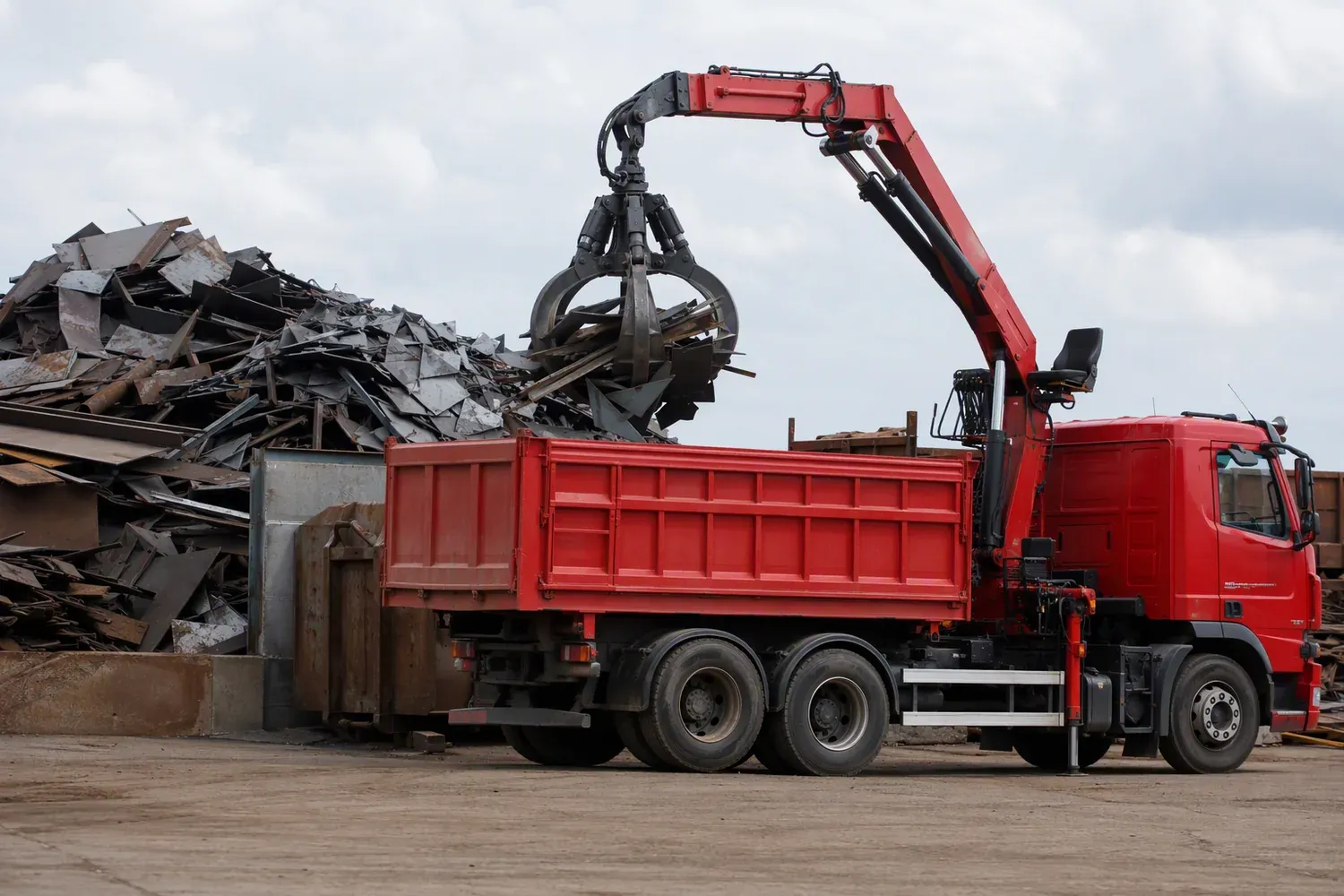
Two more items belong in the enquiry rather than in the brochure: whether the import requires any product-compliance certification for your specific configuration, and what your registration office expects to see in the documents package. The answer differs between a standard tipping-body grab truck and a truck with a mounted crane and outriggers, and it differs again if the body is fabricated to your drawing.
We supply the technical documentation a certification body or importer needs — drawings, specifications, component certificates where we hold them. We do not promise an approval outcome, because the approval is not ours to grant.
What we will not tell you
- We will not state the current mandatory emission stage for the Philippines. It is not verified on our side.
- We will not quote a duty rate or claim a preferential rate applies to your shipment. That is your broker's reading of your tariff line.
- We will not promise a BPS or LTO outcome.
- We will not quote used-vehicle age limits — they apply to used imports and we do not publish figures we have not verified.
- We will not promise a transit time. Sailing schedules change at booking.
What to send us
Three lines start a real quotation:
- Destination port — Manila, Subic, Cebu or another, so the freight side is quoted correctly.
- The duty treatment you expect, and the AHTN line your broker gives you.
- The job: tonnage, boom type, and whether the truck is for a project subcontract, a rental fleet or your own yard.
Left-hand drive is our standard build. Models, crane ratings and body dimensions quoted in this article are those currently listed on this site, reviewed 1 October 2026 — the truck-mounted crane and grab truck listings carry the full range.
Send us the port and the job on WhatsApp and we will come back with the model and the CIF price — and with the questions your broker should answer first.